Why You Should Never Delay Crane Repairs
Cranes are essential pieces of equipment in construction, manufacturing, shipping, and other industries that depend on lifting and moving heavy materials. Because these machines handle substantial loads at considerable heights, maintaining their condition is critical to workplace safety and operational efficiency. Even a seemingly minor mechanical issue can affect lifting accuracy, equipment stability, or an operator's ability to control the crane. Regular inspections and prompt attention to developing problems help businesses maintain reliable equipment and protect everyone working nearby.
Identifying Common Crane Problems That Require Immediate Attention
Cranes contain numerous mechanical, electrical, and structural components that must work together to lift and transport materials safely. Common problems include worn wire ropes, damaged hooks, malfunctioning brakes, hydraulic leaks, electrical faults, and deteriorating structural connections. Each issue can affect the crane's performance in a different way. For example, damaged wire ropes may compromise load security, while faulty brakes can prevent the operator from stopping or holding a load as intended. Ignoring these defects can allow equipment deterioration to continue until the crane becomes unsafe to operate.
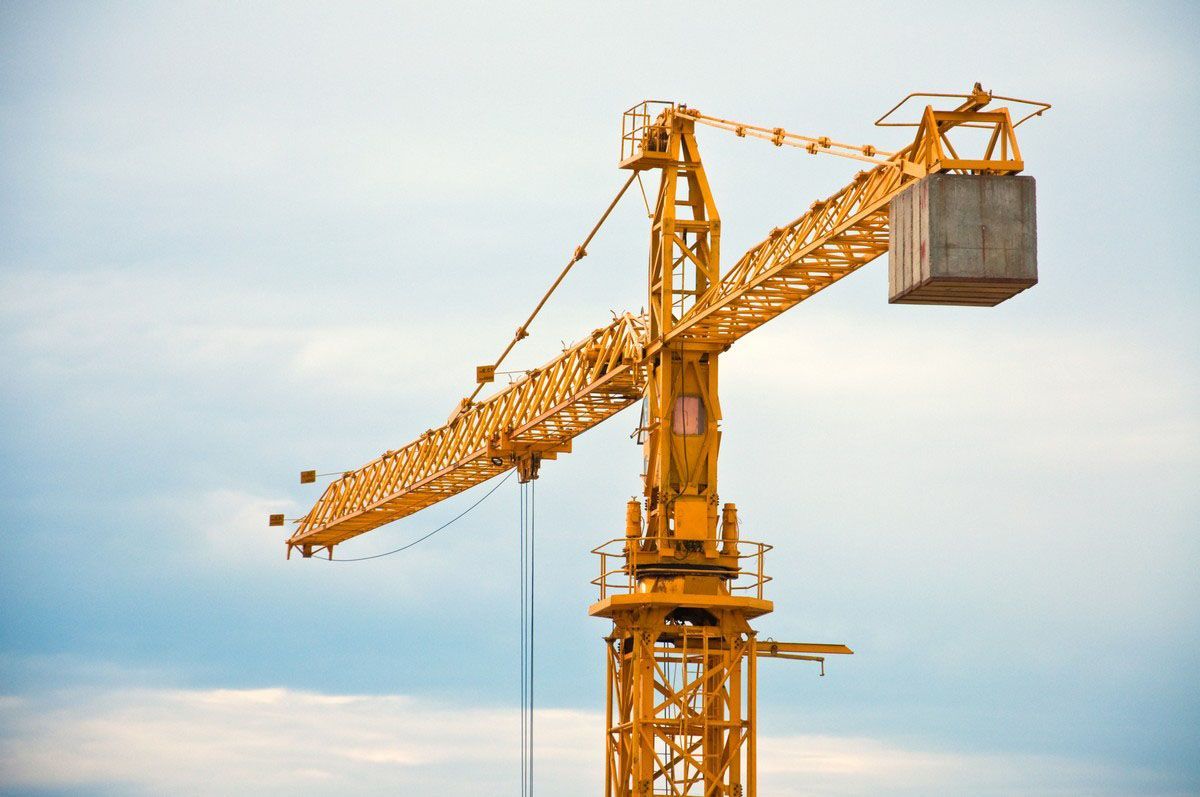
Regular inspections help identify these problems before they develop into serious failures. Operators should pay attention to changes in equipment performance, follow inspection procedures, and report defects immediately. Supervisors should also ensure that reported problems receive appropriate attention rather than being overlooked because of project deadlines. According to Civil Engineering, tower cranes are the number one most widely used crane type in the world. Although crane designs vary by application, every type requires maintenance appropriate to its operating conditions, manufacturer recommendations, and applicable safety requirements. When a component shows signs of damage or abnormal operation, qualified technicians should assess the equipment and determine whether crane repairs are necessary before work resumes.
Understanding How Equipment Malfunctions Can Cause Workplace Accidents
Crane malfunctions can create dangerous situations for operators, construction crews, and anyone working within the lifting area. A failed brake, damaged lifting mechanism, or compromised wire rope can cause a suspended load to drop unexpectedly. Structural defects or problems with stabilizing equipment may also contribute to instability, potentially resulting in a crane tipping or collapsing under certain conditions. Even less dramatic malfunctions can cause loads to swing unpredictably, strike nearby structures, or injure workers. These incidents can lead to serious injuries, property damage, project delays, and substantial financial consequences for businesses.
Delaying crane repairs increases the likelihood that a known defect will remain present during lifting operations. A crane that continues operating despite unusual behavior may experience worsening damage or fail when subjected to demanding loads. Establishing clear procedures for reporting and responding to mechanical problems helps reduce these risks. When a safety-critical defect is identified, the crane should be taken out of service as appropriate until the issue has been evaluated and corrected. Operators and supervisors should never assume that a machine is safe simply because it can still lift materials. Prompt professional assessment and crane repair help restore safe operating conditions and prevent avoidable incidents.
Recognizing Warning Signs Such as Unusual Noises, Vibrations, and Leaks
Recognizing early warning signs is one of the most effective ways to prevent minor crane problems from becoming major crane repairs. Unusual grinding, squealing, knocking, or clicking sounds may indicate worn bearings, damaged gears, lubrication problems, or other mechanical issues. Excessive vibration, jerky movements, inconsistent lifting speeds, and difficulty controlling the load can also signal developing faults. Hydraulic cranes may show visible fluid leaks, reduced lifting power, or irregular movements when their hydraulic systems are compromised. Electrical warning lights, intermittent controls, and unexpected shutdowns deserve equal attention because they may indicate problems with wiring, sensors, or control components.
When these symptoms appear, operators should follow established safety procedures, stop operations when necessary, and report their observations to the responsible supervisor. Continuing to use the crane in hopes that the problem will disappear can expose workers to unnecessary danger. Some defects may be difficult to identify without specialized diagnostic equipment, so professional evaluation is important even when the cause is not immediately apparent. Keeping records of unusual sounds, recurring warning indicators, and previous repairs can also help technicians identify patterns and diagnose faults more efficiently. Prompt attention to these warning signs supports safer operations while potentially reducing the scope and expense of subsequent crane repairs.
Preventing Small Mechanical Issues From Becoming Major Failures
Minor equipment defects can become significantly more expensive when they are left unaddressed. A small hydraulic leak, for example, may gradually reduce system efficiency, contaminate nearby components, or lead to additional damage if fluid levels become insufficient. Similarly, a worn bearing can place extra stress on connected machinery, while deteriorating wire ropes may eventually require more extensive corrective work. Addressing problems early allows technicians to focus on the affected components before damage spreads. In many cases, a timely repair is less disruptive and less costly than dealing with a major breakdown that requires extensive labor, replacement parts, and equipment downtime.
Businesses can reduce these risks by combining routine inspections with preventive maintenance and a clear repair schedule. Maintenance plans should reflect the crane manufacturer's recommendations, operating frequency, load demands, environmental conditions, and the equipment's service history. Keeping accurate records helps managers identify recurring problems and anticipate maintenance needs. It also supports better budgeting by making repair patterns and component wear easier to track. Although scheduling service may temporarily interrupt work, postponing necessary repairs can create much longer interruptions later. A proactive approach helps extend equipment service life, preserve performance, and reduce the likelihood of unexpected failures during critical project activities.
Protecting Crane Operators and Other Workers Through Timely Repairs
Timely crane repair is an essential part of protecting the people who operate, maintain, and work around heavy lifting equipment. Operators depend on responsive controls, functioning brakes, reliable load indicators, and properly maintained lifting components to perform their duties safely. Ground crews also rely on predictable crane movements when guiding loads and coordinating activities around the worksite. When equipment develops a defect, the resulting uncertainty can put multiple people at risk. Promptly addressing reported issues demonstrates that worker safety takes priority over production schedules and helps establish a workplace culture in which hazards are taken seriously.
Businesses must also understand their responsibilities under applicable workplace safety regulations and equipment inspection requirements. In the United States, Occupational Safety and Health Administration requirements address crane operation, inspections, and maintenance in covered workplaces, although the specific provisions depend on the equipment and industry. Employers should consult the standards that apply to their operations and ensure that qualified personnel perform required inspections and repairs. Maintaining service records, documenting corrective actions, and verifying that defects have been resolved can help demonstrate responsible equipment management. Before returning a crane to service, the responsible personnel should confirm that required crane repairs and inspections are complete. These precautions help protect workers, reduce preventable hazards, and support consistent compliance with applicable requirements.
Delaying crane repairs can turn manageable equipment problems into serious safety hazards, expensive breakdowns, and prolonged operational disruptions. From damaged lifting components and hydraulic leaks to faulty controls and structural concerns, even minor defects deserve appropriate attention. Recognizing warning signs, conducting regular inspections, and following manufacturer maintenance recommendations help businesses identify issues before they escalate. Prompt crane repairs also reduce the likelihood that equipment malfunctions will endanger operators, ground crews, or other workers around the jobsite. Reach out to Texas Crane Repair to learn more about our services today.

Share On: