5 Costly Delays That Crane Repairs Can Prevent
Heavy machinery operations serve as the backbone of modern industrial productivity, keeping supply chains moving and construction schedules on track across the globe. When massive equipment functions seamlessly, projects finish on time and within budget, ensuring that businesses maintain their competitive edge. However, the unexpected breakdown of vital lifting equipment can instantly halt an entire worksite, causing ripples of financial strain and operational panic. Investing in routine crane repairs remains one of the most effective strategies for managers who want to safeguard their bottom line against these sudden setbacks. By addressing mechanical wear early, companies successfully maintain continuous workflow and protect their workforce.
The financial consequences of unexpected operational pauses extend far beyond the immediate cost of fixing a broken machine. Delays disrupt shipping windows, cause labor costs to skyrocket as teams stand idle, and damage long-term professional partnerships. Understanding the specific components vulnerable to failure allows project managers to implement proactive measures that eliminate these vulnerabilities entirely. This comprehensive analysis explores how targeted mechanical intervention saves money, preserves project timelines, and enhances overall worksite safety across multiple industrial applications.
1. Maintaining Lifting Mechanisms
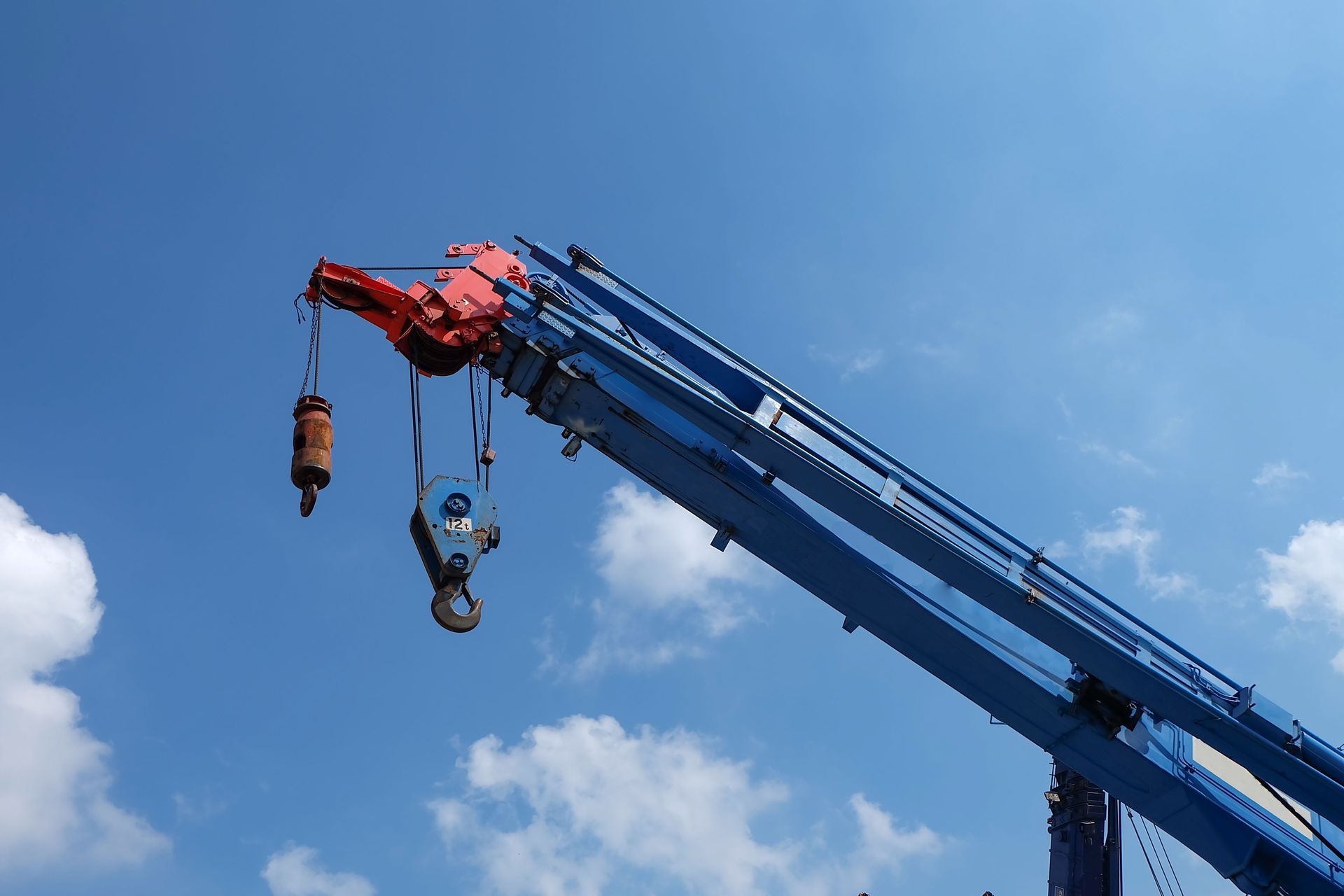
The core functionality of any heavy lifting system relies entirely on the perfect synchronization of its hooks, sheaves, wire ropes, and gearboxes. Over time, the constant stress of carrying immense weight causes subtle microscopic degradation within the metallic fibers of these heavy components. If minor misalignments or tiny frays in the wire rope are ignored, the entire assembly faces an elevated risk of sudden operational failure. Scheduling professional crane repairs for these primary lifting components ensures that every single gear engages smoothly and every cable retains its full rated capacity. Experienced technicians can easily identify deep internal flaws, preventing catastrophic drops.
When a primary hoist assembly malfunctions during a critical phase of construction, the entire timeline of the project instantly suffers. Teams cannot place structural steel, shipyards cannot unload cargo vessels, and manufacturing facilities face immediate logjams on their production floors. These bottlenecks create severe financial penalties and contractual liabilities that jeopardize the profitability of corporate operations. Implementing a rigorous inspection routine allows companies to replace worn components during scheduled off-peak hours rather than enduring emergency shutdowns. This disciplined approach keeps complex projects moving forward smoothly while maximizing the overall operational lifespan of expensive capital assets.
2. Troubleshooting Electrical Systems
Modern industrial machinery relies on incredibly intricate networks of wiring, variable frequency drives, limit switches, and heavy-duty motors to execute precise movements. Environmental exposure to extreme heat, moisture, and dust can degrade electrical insulation, leading to short circuits or complete control system failures. When an electrical fault occurs, identifying the exact source of the disruption requires advanced diagnostic instruments and deep technical expertise. Utilizing comprehensive crane repairs to address frayed conductors and failing power modules prevents erratic machine behavior and unexpected system lockouts. Keeping these electrical pathways clear guarantees that operators maintain complete control over every single movement.
According to IBISWorld, the machinery maintenance and heavy equipment repair services industry in the United States was expected to reach a market size of $56.3 billion in 2025, highlighting the growing emphasis on such maintenance services. This massive economic footprint underscores just how vital professional technical intervention has become for modern industrial organizations nationwide. Relying on certified electrical specialists ensures that all system calibrations align perfectly with national safety regulations and manufacturer specifications. By prioritizing regular grid inspections, businesses avoid the costly electrical fires and component burnouts that cause prolonged facility downtime, thereby successfully stabilizing all daily commercial operations.
3. Optimizing Hydraulic Pressure
Hydraulic systems provide the immense fluid power necessary to smooth out heavy lifting operations, utilizing precise fluid dynamics through pumps, cylinders, and high pressure hoses. Even a microscopic particle of dirt entering the fluid reservoir can cause significant internal friction, leading to valve erosion and sudden pressure drops. Fluid leaks not only compromise the lifting capacity of the machinery but also create severe environmental hazards on the job site. Execution of timely crane repairs for hydraulic assemblies involves flushing contaminated fluids, replacing compromised seals, and installing durable new hoses.
A sudden loss of hydraulic pressure during a heavy lift can lead to terrifying operational emergencies, including uncommanded load drops or structural shifts. Beyond the obvious safety risks, a compromised hydraulic circuit forces the entire machine to work much harder, burning excessive fuel and accelerating component wear. This operational inefficiency translates directly into higher daily expenses and a larger carbon footprint for the operating company. By scheduling regular fluid analysis and pressure testing, fleet managers can detect internal pump cavitation and seal degradation before an active failure occurs.
4. Inspecting Structural Integrity
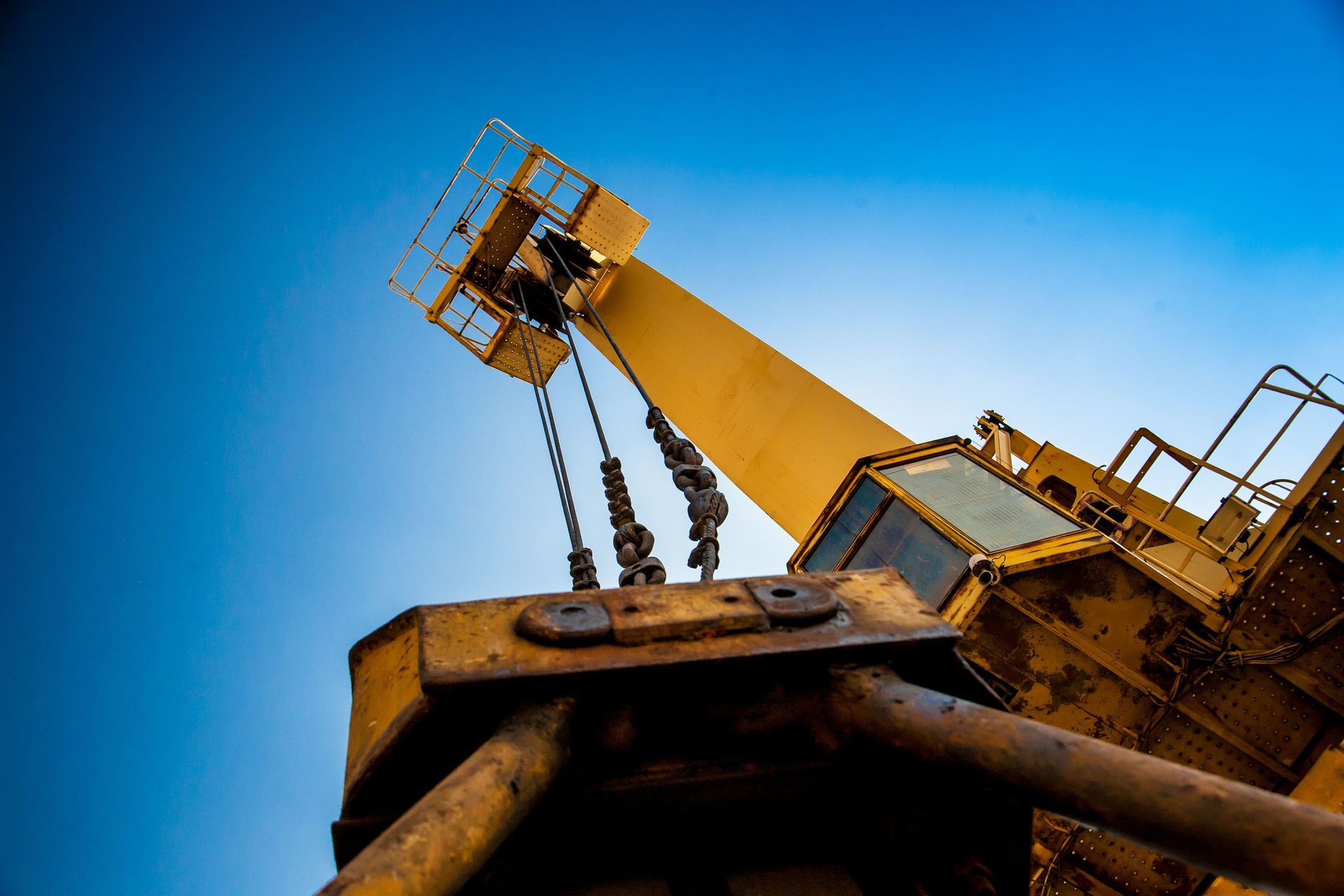
The massive steel booms, gantry frames, and outriggers of heavy lifting equipment bear incredible structural loads during daily material handling tasks. Microscopic fatigue cracks can develop within welded joints over years of repetitive lifting, silently compromising the overall stability of the entire machine. Environmental factors such as salt spray, chemical exposure, and persistent rain further accelerate structural degradation through rust and deep pitting corrosion. Arranging specialized crane repairs to reinforce these load bearing structures involves precision welding and structural plate reinforcement executed by certified technical experts. Catching these structural vulnerabilities early prevents catastrophic structural collapses that could permanently destroy valuable property.
Structural damage often remains completely invisible to the naked eye, requiring sophisticated non-destructive testing methods like ultrasonic scanning and magnetic particle testing. When a structural weakness is finally discovered, the machinery must be taken out of service immediately to protect the safety of the entire job site. This sudden removal can cause chaotic scheduling conflicts, requiring project managers to scramble for expensive short term rentals or alter their entire operational strategy. Investing in routine structural assessments allows companies to perform minor reinforcing repairs during planned maintenance windows, avoiding the logistical nightmare of unexpected structural failure while protecting site crews.
5. Upgrading Software Controls
The digital revolution has transformed heavy equipment operations, introducing advanced onboard computers, remote telemetry systems, and automated safety algorithms to guide daily lifts. While these technological integrations vastly improve precision, they also introduce the possibility of software glitches, corrupted data streams, and communication timeouts. A single sensor reporting incorrect data can cause the main control module to trigger an emergency shutdown, locking down operations without warning. Incorporating modern crane repairs to resolve control software anomalies ensures that digital systems communicate flawlessly with physical hydraulic and electrical components.
When digital control systems fail on a busy job site, operators are left completely unable to safely manage heavy materials, creating immediate logistical standstills. These software interruptions require specialized digital diagnostics to clear error codes, recalibrate sensors, and restore safe operational parameters across the network. Trying to operate machinery with glitchy or outdated control software risks overriding critical safety margins, putting the entire crew in immediate danger. By partnering with qualified technical teams to maintain digital infrastructure, companies ensure that their automated safety systems remain fully operational.
Safeguarding industrial operations against unexpected downtime requires a continuous, disciplined commitment to heavy equipment oversight and professional mechanical restoration. As demonstrated across every major system, from physical lifting hoists to complex digital control software, regular maintenance prevents minor mechanical anomalies from ballooning into catastrophic financial liabilities. Neglecting these essential systems leads directly to broken project timelines, costly legal penalties, and diminished operational safety across the entire workspace.
Ultimate operational success depends entirely on the reliability of the heavy machinery powering your daily commercial and industrial projects. Partnering with the experienced specialists at Texas Crane Repair gives your business access to world-class technical diagnostics, precision welding, and comprehensive system overhauls. Do not wait for a catastrophic mechanical breakdown to disrupt your corporate schedule and drain your financial resources. Contact us today to schedule a thorough diagnostic evaluation and establish customized
crane repairs that keep your entire fleet operating safely at peak performance for years to come.
Share On: