The Most Common Causes of Crane Breakdowns and How to Prevent Them
Cranes are indispensable assets across construction sites and industrial facilities, renowned for their ability to lift and maneuver massive materials with remarkable precision. The smooth, uninterrupted operation of these colossal machines is vital, as an unexpected breakdown can instantly halt entire project timelines, resulting in severe financial losses and heightened job site hazards. Frequent mechanical malfunctions not only delay project milestones but can also create life-threatening conditions for ground crews. Preventing these disruptions requires a clear understanding of why equipment fails. By identifying primary risk factors and adopting proactive maintenance protocols, site managers can maximize job site safety, extend equipment lifespan, and keep heavy lifting operations running seamlessly day after day.
1. Mechanical Faults and Component Wear
The sheer physical stress placed on heavy lifting equipment means mechanical components are constantly battling friction, heat, and structural fatigue. Over time, continuous heavy usage wears down moving components, gradually diminishing operational efficiency and leading to sudden mechanical failure. To avoid costly downtime, site supervisors must understand the most frequent mechanical vulnerabilities that impact daily operations.
Every moving component on a crane—from wire ropes and sheaves to boom pins and outrigger pads—experiences continuous friction. Without vigilant monitoring, normal wear can quickly escalate into total structural collapse. Routine diagnostic checks allow crews to spot early warning signs like unusual vibrations, strange grinding noises, or excessive thermal buildup. Catching these indicators early gives technicians time to schedule necessary crane repairs before minor friction damages surrounding assemblies. Establishing non-negotiable inspection routines is the single best way to maximize component lifecycles.
Lubrication is the lifeblood of heavy machinery, creating a protective barrier that prevents metal-to-metal contact. Neglecting lubrication points leads to extreme friction, rapid heat generation, and accelerated surface degradation. Using incorrect grease grades or failing to follow manufacturer lubrication schedules compounds wear across internal gears and bushings. Utilizing high-quality lubricants and automated greasing systems ensures consistent coverage, protecting critical pivot points against friction-induced damage.
Gears and bearings operate under immense pressure, transferring motor torque to heavy loads. Undetected micro-fractures in gear teeth or worn bearing races can lead to catastrophic lockups during a lift. Advanced diagnostic techniques like vibration analysis and thermal imaging can catch internal stress fractures before a failure occurs.
Equally vital is the hydraulic system, which converts fluid pressure into lifting power. Contaminated hydraulic fluid, blown seals, or pump cavitation severely compromise lifting capacity. Regular fluid sampling and pressure testing prevent internal hydraulic pump erosion, keeping the lifting mechanism stable and responsive.
Exceeding rated lifting capacities places massive stress on structural booms and support cables. Overloading can cause permanent structural deformation, metal fatigue, or immediate tip-overs. According to OSHA, 27% of 838 crane incidents recorded in a study were due to dropped loads caused by rigging failure. Preventing these incidents requires strict adherence to load charts, the integration of calibrated Load Moment Indicators (LMIs), and comprehensive operator training to ensure safe working limits are never breached.
2. Electrical Issues and Control System Failures
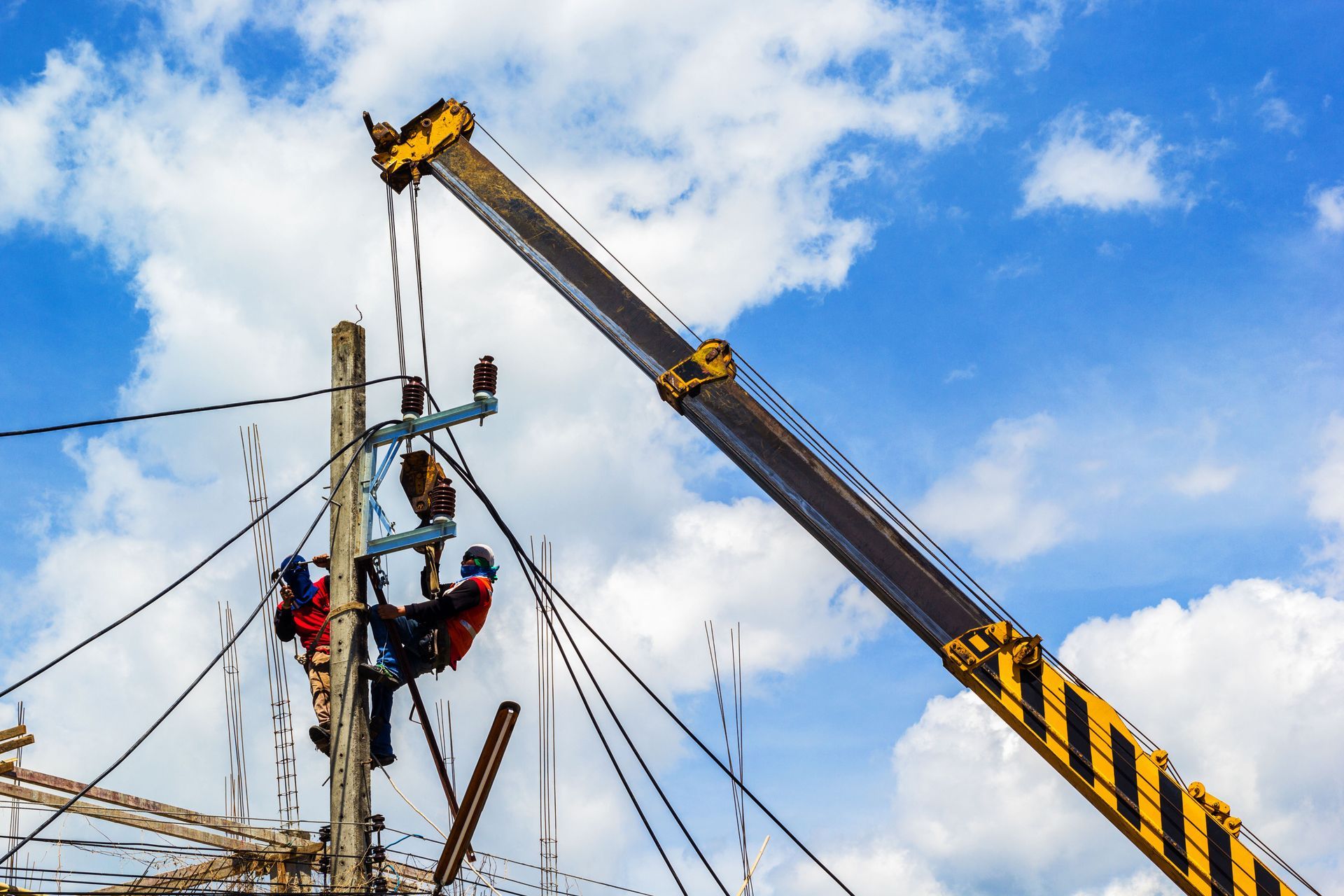
Modern lifting equipment relies heavily on sophisticated electrical networks, microprocessors, and digital sensors to execute complex maneuvers. When these electrical systems fail, the entire machine can grind to a sudden halt, requiring specialized technical troubleshooting and targeted crane repairs to restore full functionality.
Operating in harsh outdoor environments exposes electrical wiring to extreme temperatures, heavy moisture, and constant vibration. Frayed insulation, corroded terminals, and loose harness connections frequently cause short circuits or complete loss of power. Routine electrical audits, circuit testing, and keeping updated wiring schematics on-site allow technicians to quickly locate and repair loose connections before they trigger total system shutdowns.
Digital control systems and electronic joysticks give operators precise control over heavy loads. However, software glitches, blown control boards, or physical damage to control modules can disrupt operations instantly. Modernizing control interfaces and regularly installing manufacturer firmware updates helps prevent erratic control responses.
Furthermore, safety sensors—such as anti-two-block switches, anemometers, and proximity sensors—must be calibrated regularly. If a proximity sensor fails, the operator loses critical real-time feedback, increasing the risk of collisions or boom over-extension. Implementing real-time Internet of Things (IoT) diagnostic tools allows maintenance teams to monitor sensor accuracy continuously.
Cranes rely on heavy-duty battery systems to start primary engines and power secondary safety electronics. Battery failure caused by improper charging routines, severe temperature swings, or simple age can leave a crane dead on the job site. Regular voltage checks, terminal cleaning, and scheduled battery replacements prevent sudden starting failures.
For electric or shore-powered cranes, power grid fluctuations and voltage drops pose additional threats. Installing surge protectors and Uninterruptible Power Supply (UPS) backup systems safeguards sensitive electronics against power spikes, ensuring the crane can bring heavy loads safely to the ground during a power outage.
3. Operational Errors and Rigging Mistakes
Even a mechanically flawless crane can experience catastrophic breakdown if operated improperly. Human error remains one of the primary drivers of job site accidents and equipment damage, making rigorous operator education a vital defensive strategy.
Operators who lack thorough training often misuse controls, misinterpret load charts, or execute jerky, aggressive movements that send shockwaves through the boom. This abrupt shock loading severely fatigues structural welds and wire ropes, making emergency crane repairs necessary to fix bent boom sections or frayed cables. Investing in comprehensive certification programs, realistic simulator training, and regular refresher courses ensures operators handle heavy loads smoothly and stay within safe operating boundaries.
Safe lifting requires seamless coordination between the crane operator, rigger, and ground spotters. Misunderstood hand signals or static-filled radio communications can lead to improper load placement, collisions with surrounding structures, or accidental overloading. Standardizing hand signals, utilizing noise-canceling headsets, and holding mandatory daily pre-lift briefings ensure every crew member understands the lift plan and safety protocols before the boom leaves its cradle.
Miscalculating total load weight—including the weight of the hook block, rigging hardware, and dynamic factors like wind speed—frequently leads to severe equipment strain. Choosing worn rigging hardware or using improper hitch configurations greatly increases the risk of load shifts. Using certified rigging gear, calculating precise load weights, and verifying rigging angles before every lift prevents catastrophic drops that ruin equipment and jeopardize ground crews.
4. Maintenance Neglect and Lack of Inspections
Skipping scheduled maintenance intervals is the fastest way to invite severe equipment failure. Many major breakdowns stem from minor issues that were simply ignored during routine shifts.
Waiting for a component to break before fixing it is a recipe for expensive downtime and safety hazards. Transitioning from reactive maintenance to a proactive, predictive model keeps equipment in peak condition. Utilizing fluid analysis, thermography, and vibration sensors lets teams catch bearing wear or hydraulic contamination early, scheduling minor crane repairs during planned off-hours rather than dealing with emergency shutdowns during peak production.
Daily pre-shift inspections act as the first line of defense against mechanical failure. Operators should visually inspect wire ropes, check fluid levels, test safety switches, and examine structural welds before starting the engine. Documenting these daily checks creates an accurate service history, making it easy to track component wear trends and catch potential issues before they develop into major hazards.
Preventing crane breakdowns requires a comprehensive approach that combines rigorous daily inspections, continuous operator education, and proactive maintenance strategies. Addressing minor mechanical wear, electrical glitches, and rigging errors before they escalate protects your crew, safeguards expensive machinery, and keeps your projects moving forward on schedule. Do not wait for an unexpected failure to disrupt your job site. When your heavy lifting equipment requires expert maintenance or emergency servicing, partner with the certified professionals at Texas Crane Repair to keep your operations running safely and efficiently.

Share On: